Anxiety
Understanding Anxiety
Anxiety is one of the most common reasons people seek therapy, yet it can feel deeply personal and isolating. It may show up as constant worry, racing thoughts, tightness in the chest, difficulty sleeping, irritability, or a sense that your nervous system never fully powers down. For some people, anxiety is situational—tied to work, relationships, or a life transition. For others, it has been present for as long as they can remember.
At Lodestone Psychology, we understand anxiety not as a personal weakness, but as a learned response shaped by biology, life experiences, and ongoing stressors. Anxiety often develops because your system is trying to protect you. Therapy focuses on helping that system recalibrate so it no longer has to work overtime.
How Anxiety Can Impact Daily Life
Anxiety can quietly shrink your world. You may start avoiding situations, over‑preparing, or constantly seeking reassurance. Work performance, relationships, and physical health can all be affected. Many people also experience shame about their anxiety, telling themselves they “should be able to handle it,” which only increases distress.
Our therapists frequently work with:
Generalized anxiety and chronic worry
Panic attacks and panic disorder
Social anxiety
Health anxiety
Perfectionism and performance anxiety
Anxiety related to trauma or burnout
Our Approach to Anxiety Therapy
Anxiety therapy at Lodestone Psychology is collaborative, practical, and paced with care. We don’t aim to eliminate anxiety entirely—because some anxiety is part of being human. Instead, we help you change your relationship with it.
Depending on your needs, therapy may include:
Cognitive Behavioural Therapy (CBT) to identify and shift unhelpful thought patterns
Acceptance and Commitment Therapy (ACT) to build flexibility and values‑based action
Somatic and nervous system regulation strategies
Mindfulness and grounding practices
Psychoeducation to help you understand what’s happening in your body
We tailor therapy to fit your life, culture, and goals—whether you’re navigating anxiety at work, in relationships, or internally.
If anxiety is taking up more space than you’d like, therapy can help. You’re welcome to book a consultation or explore whether anxiety counselling at Lodestone Psychology feels like the right fit.
You might be someone others rely on, a steady, capable person who holds a lot together on the outside, while inside feeling overwhelmed, stretched, or unsure where you fit in your own life. Over time, this can show up as anxiety, emotional exhaustion, relationship strain, or a sense of losing connection to yourself.
I offer a calm, collaborative space where we can slow things down and make sense of what’s been building beneath the surface.
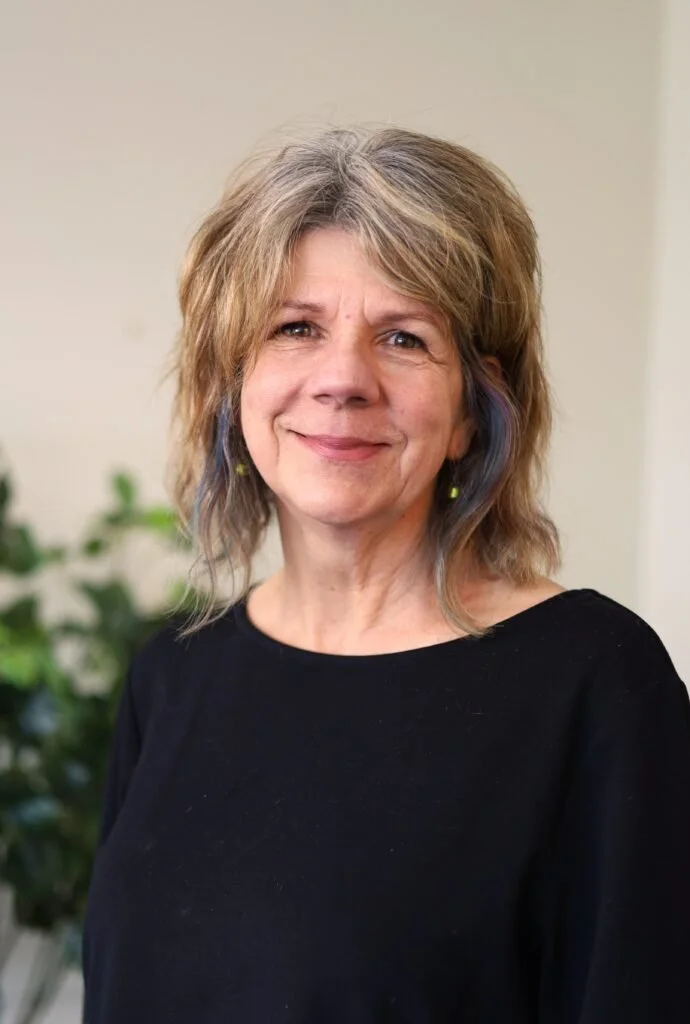
Rachel is known for her genuine and compassionate presence. She supports clients in coping with the challenges of today while finding hope for tomorrow. With over 20 years of counselling experience, Rachel brings a rich and diverse skill set grounded in trauma-sensitive approaches. She creates a safe and supportive space for clients to explore even the heaviest of emotions, while thoughtfully weaving in moments of lightness and ease.
Jennifer meets clients in the places where life feels heavy—grief that lingers, trauma that resurfaces, and transitions that leave people uncertain of their next step. Her work is grounded in the belief that healing begins when people feel safe enough to be seen, heard, and understood.
As a Registered Clinical Social Worker (RCSW) with more than 20 years of experience, she supports adults navigating complex and developmental trauma, anxiety, depression, and loss through a calm, collaborative, and relational approach.
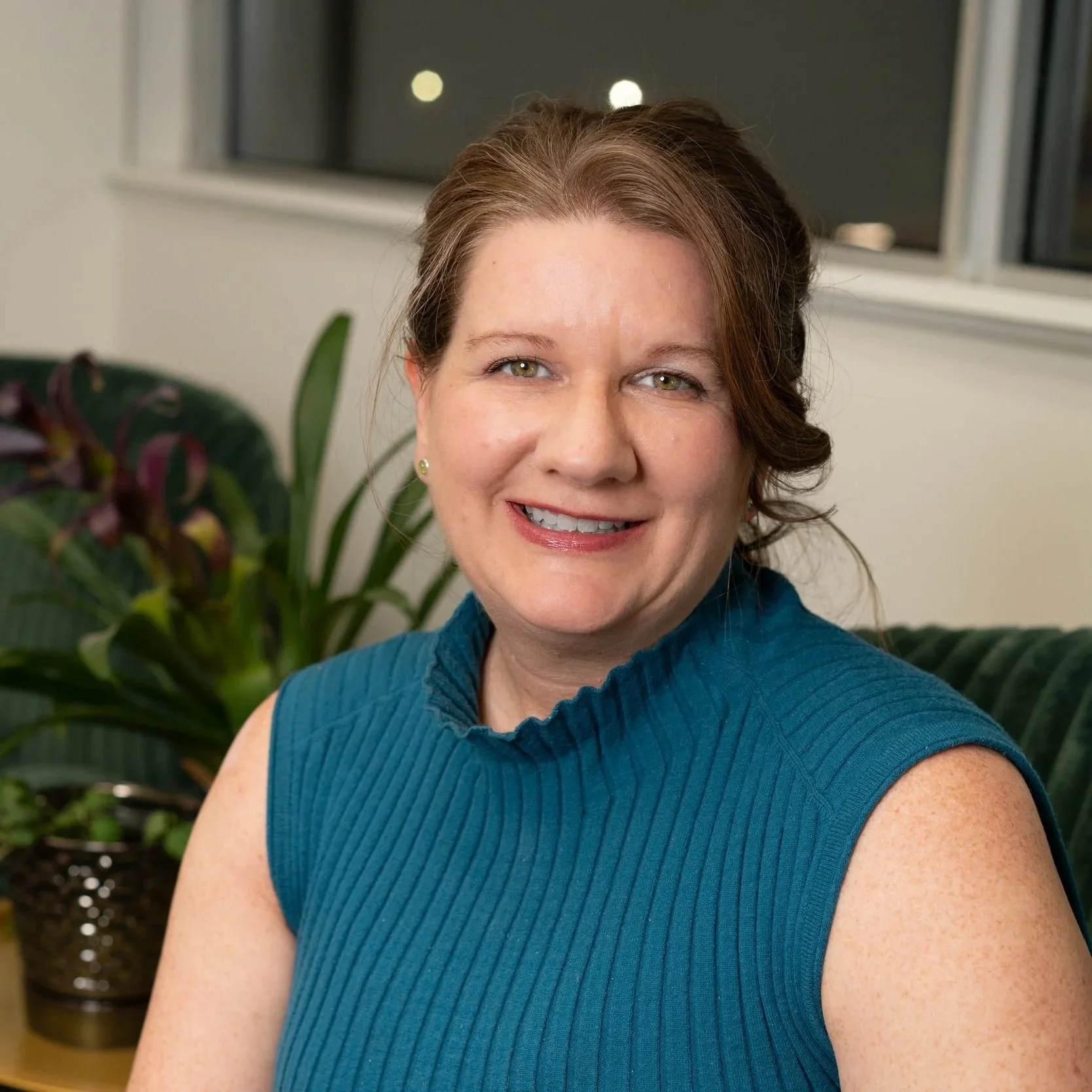
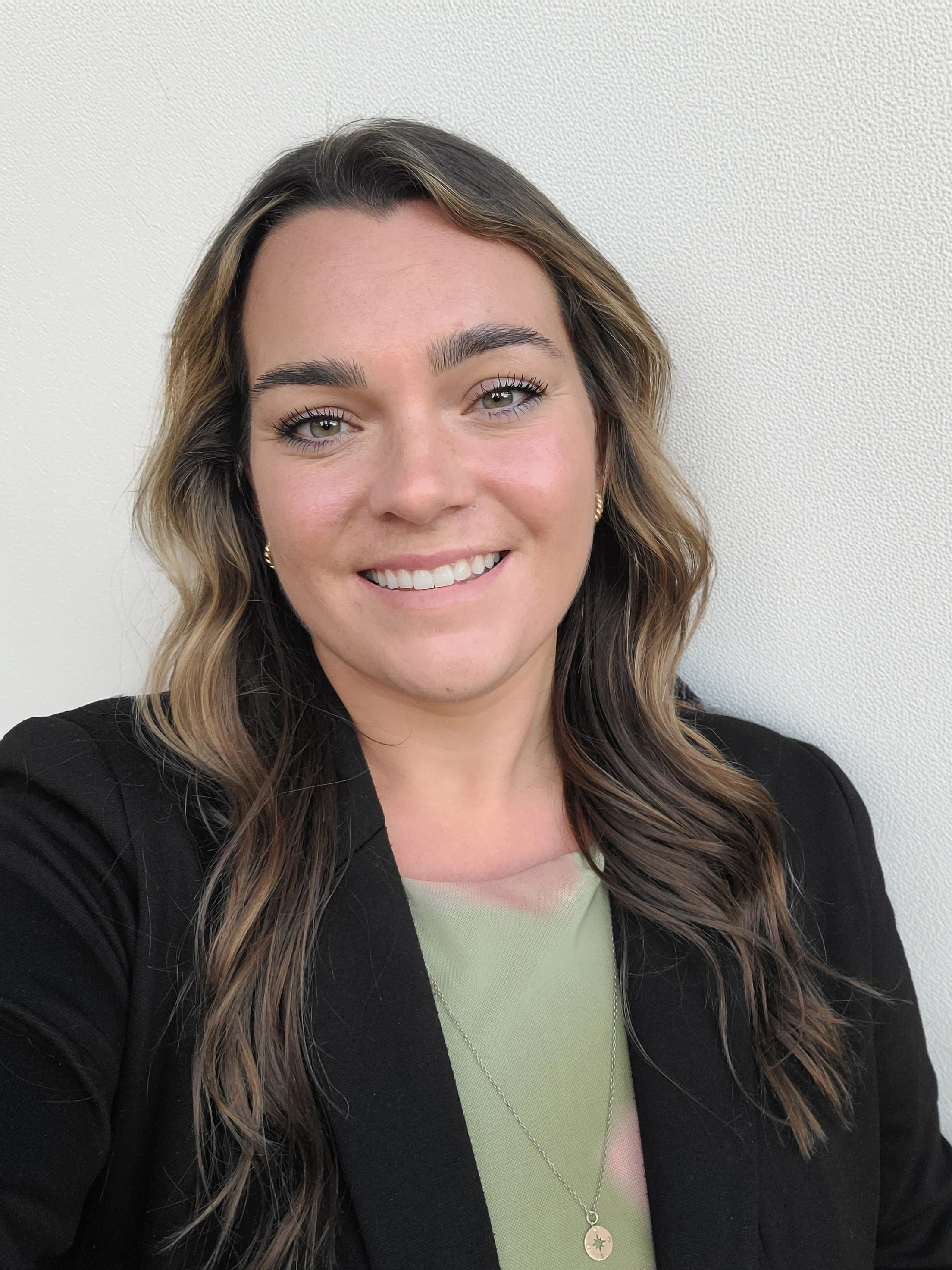
Kristen Paliwoda offers a gentle, grounding presence that helps clients feel understood and supported from the moment they meet her. She works primarily with women navigating life transitions — from the growing pains of early adulthood to the changing identity that often accompanies motherhood. Her approach is warm, collaborative, and guided by curiosity. She integrates EMDR, CBT, and mindfulness-based practices, creating a process that feels both steady and flexible — never rushed, never one-size-fits-all.
Known for his calm steadiness and a quick sense of humor, Aaron helps clients feel at ease from their very first session. He approaches therapy as a collaborative process, using warmth and curiosity to help clients explore what’s been hard without judgment or pressure. His work blends Cognitive and Dialectical Behaviour Therapies (CBT and DBT) with mindfulness and psychoeducation, guiding people to recognize unhelpful patterns, reframe beliefs, and build practical tools for lasting change. He believes people already have what they need to heal — therapy simply creates the space and safety to rediscover it.
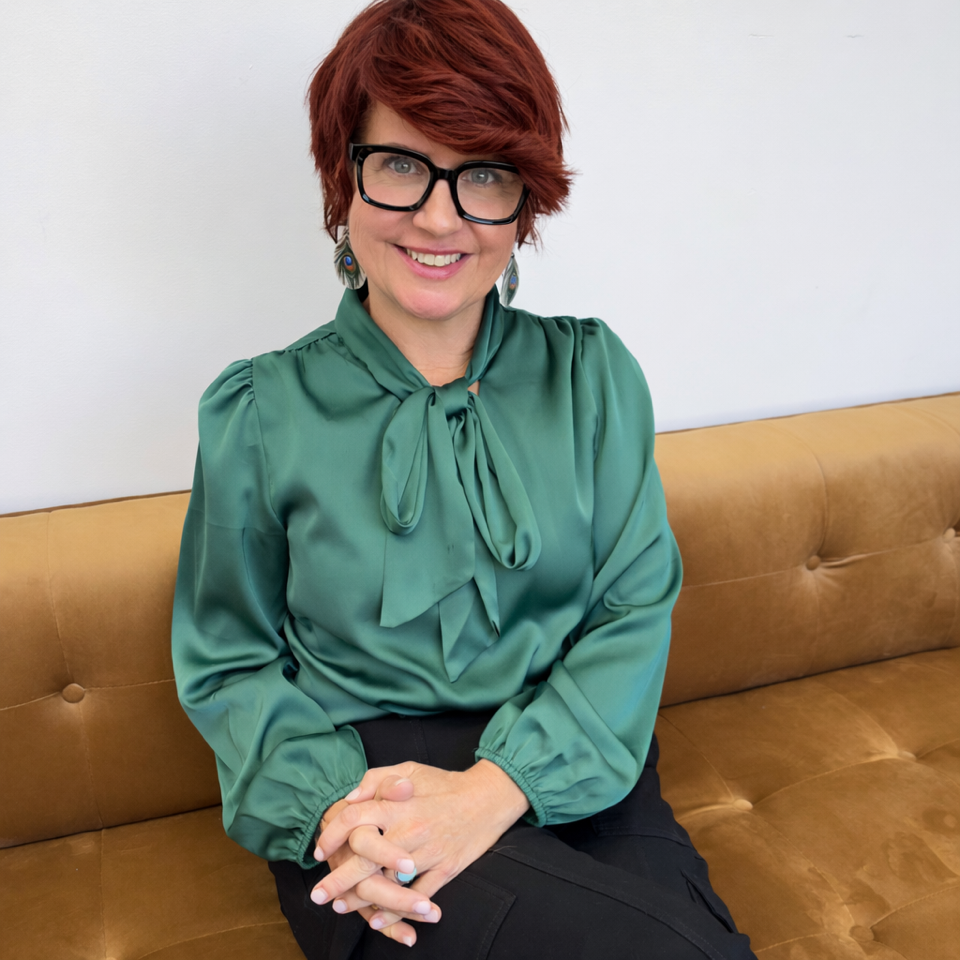
For many of the people who find their way to Tracy, life looks fine on the surface but doesn’t feel that way inside. They’re holding it together at work, managing too many responsibilities, or trying to make sense of who they are after an ADHD diagnosis that explains a lot but also stirs up grief. What they want most is to feel like themselves again.
In therapy, Tracy offers a calm, grounded space to slow down and make sense of what’s been building up. Clients describe her as honest, curious, and quietly funny. Humour helps people relax, but she’s not afraid to name the hard things. Tracy isn’t one to gloss over the hard stuff; she believes in the kind of hope that grows from understanding yourself clearly, not from pretending everything is okay.
Jodey, is a Registered Psychologist in Calgary with over 35 years of experience in healthcare and rehabilitation. She works with adults of all ages coping with Trauma, anxiety, depression, stress, grief, and relationship difficulties. Many of her clients are professionals, in high stress occupations, and are health care providers and therapists.
Jake’s approach is creative and deeply trauma-informed. She often integrates Internal Family Systems (IFS), Acceptance and Commitment Therapy (ACT), trauma treatment, and expressive arts to help clients rebuild inner safety and emotional regulation. Before becoming a therapist, she spent two decades as a professional artist, and that creative lens continues to shape how she helps people explore meaning, story, and identity through their own healing process.
Mariah believes that therapy begins with safety and connection. She creates a space where clients can exhale, feel seen, and start to come home to themselves, whether that means navigating the overwhelm of anxiety, finding steadiness in postpartum life, or exploring the questions of early adulthood. Her calm and compassionate presence helps people slow down enough to discover what truly matters to them.
Danica Heidebrecht is a Registered Psychologist (M.Ed.) who believes therapy is first and foremost about connection. For nearly two decades, she has supported adults navigating anxiety, shame, stress, trauma, and relationship challenges.
Danica’s presence is warm, steady, and collaborative. She draws from trauma-informed, somatic, mindfulness, and attachment-based approaches to help clients feel safer in their bodies, more at ease in their emotions, and more connected in their relationships.
The holidays can bring added stress, emotional pressure, and seasonal changes that affect mental health. This post explores why the holidays feel harder for many people, how Seasonal Affective Disorder shows up, and practical ways to support your well-being during this time of year.
Anxiety is part of being human. It evolved to keep us safe, but when the alarm system doesn’t turn off, it can become overwhelming. This post explores why anxiety shows up, what your body is trying to protect you from and how therapy can help you find steadiness again