Women’s Issues
Supporting Women Through Complex Life Experiences
Women often navigate layered expectations, roles, and pressures that can significantly impact mental health. These experiences are shaped by biology, relationships, work, caregiving responsibilities, cultural expectations, and lived experiences of inequality or trauma. While each woman’s story is unique, many share common challenges that deserve thoughtful, respectful support.
At Lodestone Psychology, women’s issues therapy provides a space to explore these experiences without judgment or minimization. Therapy is not about fixing who you are—it is about supporting you in understanding yourself more deeply and responding to life with greater clarity, agency, and self-compassion.
Common Reasons Women Seek Therapy
Women seek therapy for many interconnected reasons, including:
Anxiety, depression, or chronic stress
Burnout related to caregiving, work, or emotional labour
Relationship challenges or boundary difficulties
Trauma, including sexual, relational, or medical trauma
Reproductive mental health concerns
Body image and self-esteem struggles
Identity changes across life stages
Grief, loss, or unresolved emotional pain
These concerns often overlap and evolve over time, particularly during periods of transition.
Life Transitions and Identity
Women experience many transitions that can affect identity and emotional wellbeing, such as:
Adolescence and early adulthood
Career development or change
Pregnancy, fertility challenges, or pregnancy loss
Postpartum adjustment
Parenting and caregiving roles
Perimenopause and menopause
Relationship changes or separation
Aging and shifts in independence
Therapy offers space to process these transitions, honour losses and growth, and clarify who you are becoming.
Emotional Labour, Boundaries, and Burnout
Many women are socialized to prioritize others’ needs, manage emotional labour, and maintain harmony—often at the expense of their own wellbeing. Over time, this can lead to exhaustion, resentment, or a loss of connection to personal needs and desires.
Women’s issues therapy often focuses on:
Identifying and challenging people-pleasing patterns
Developing healthier boundaries
Reconnecting with needs, values, and limits
Addressing guilt associated with rest or self-care
Building sustainable ways of showing up for others
Trauma-Informed Support
A significant number of women have experienced trauma, including sexual violence, relational trauma, or medical trauma. These experiences can shape emotional regulation, self-worth, relationships, and sense of safety.
At Lodestone Psychology, women’s issues therapy is grounded in trauma-informed care. Therapy is paced carefully, with attention to safety, consent, and nervous system regulation.
Our Therapeutic Approach
Women’s issues therapy at Lodestone Psychology is collaborative, respectful, and tailored to your lived experience. Depending on your needs, therapy may include:
Processing trauma or past experiences
Supporting emotional regulation and nervous system balance
Exploring identity, values, and self-trust
Addressing relationship patterns and communication
Building self-compassion and resilience
We integrate evidence-based approaches such as CBT, ACT, somatic therapies, and relational work, always adapting therapy to fit you.
Women’s Issues Summary
We support women across Calgary and Alberta through in-person and virtual therapy. Many clients seek support during times of transition, overwhelm, or when long-standing patterns no longer feel sustainable.
You don’t have to carry everything on your own. Therapy can offer a supportive space to reflect, heal, and move forward with greater confidence and ease.
You might be someone others rely on, a steady, capable person who holds a lot together on the outside, while inside feeling overwhelmed, stretched, or unsure where you fit in your own life. Over time, this can show up as anxiety, emotional exhaustion, relationship strain, or a sense of losing connection to yourself.
I offer a calm, collaborative space where we can slow things down and make sense of what’s been building beneath the surface.
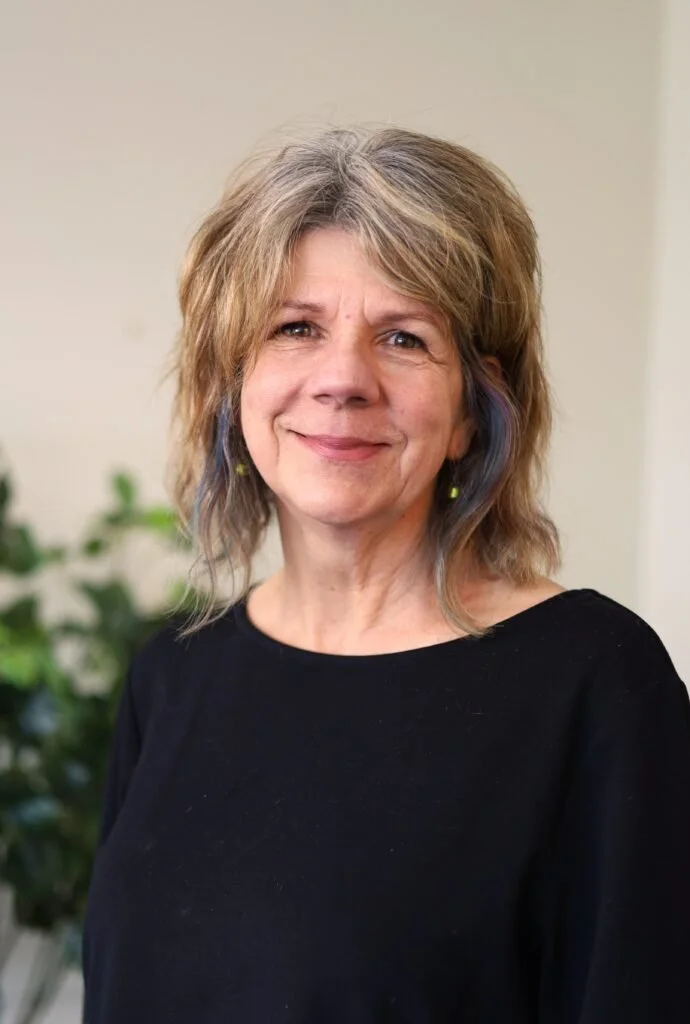
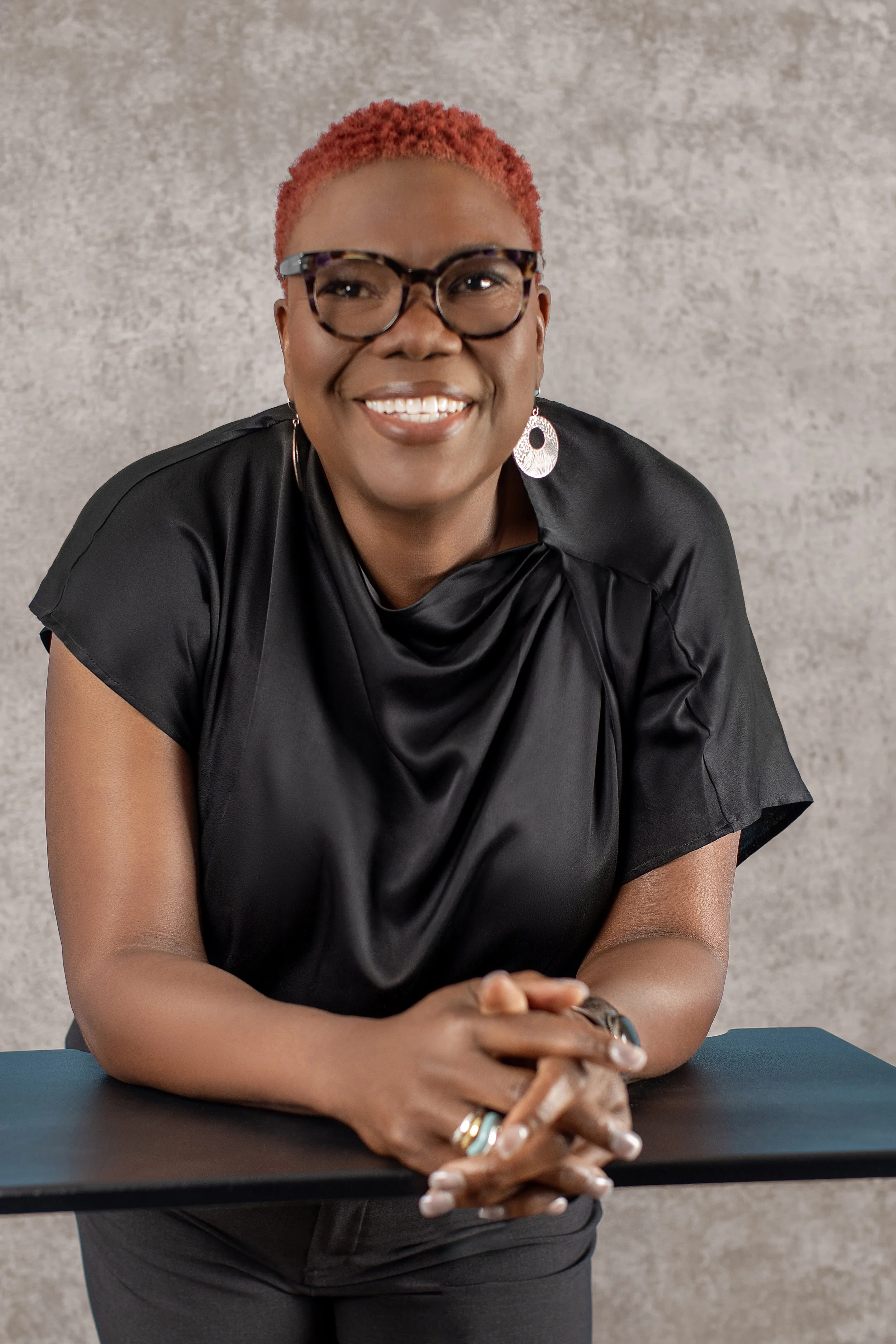
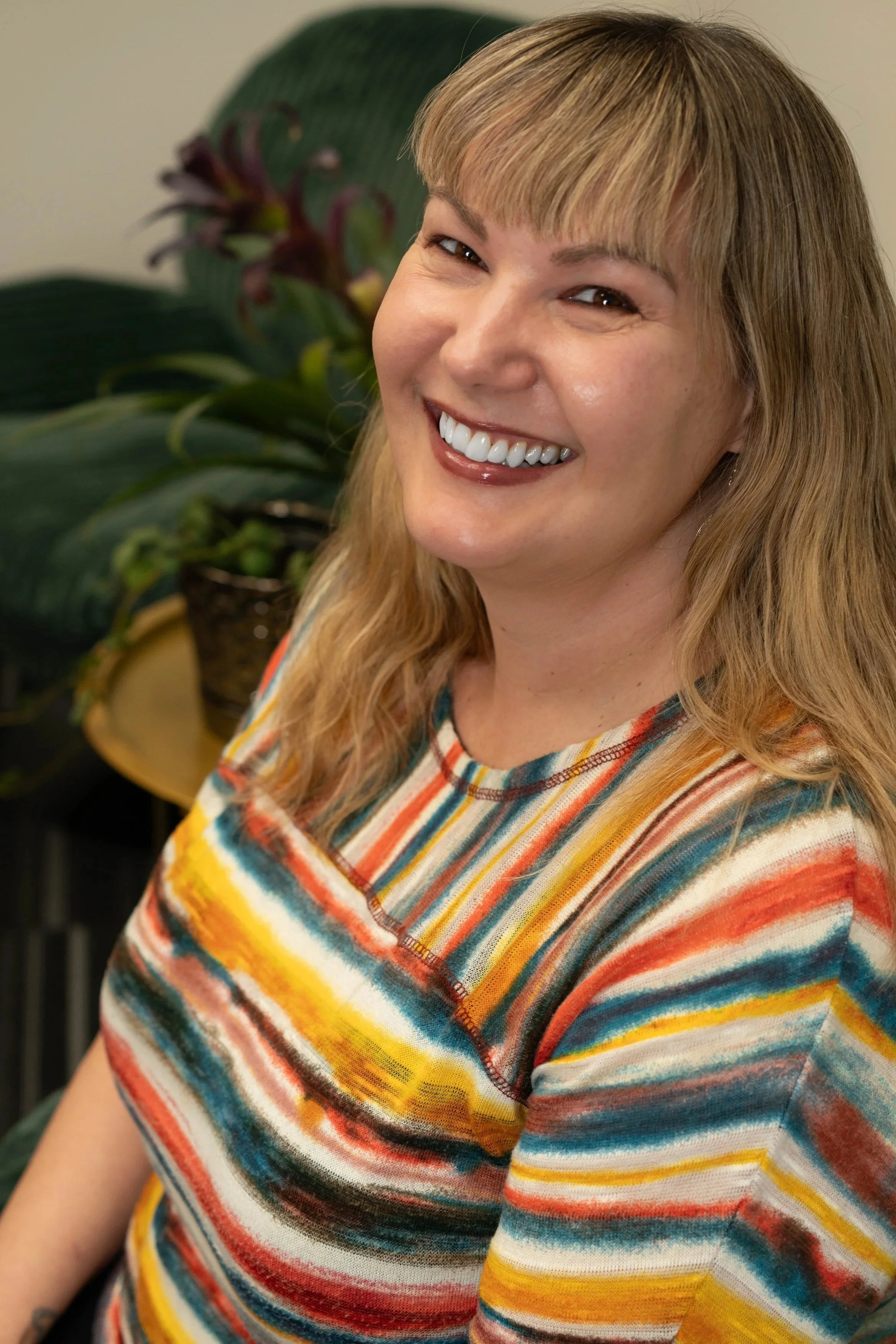
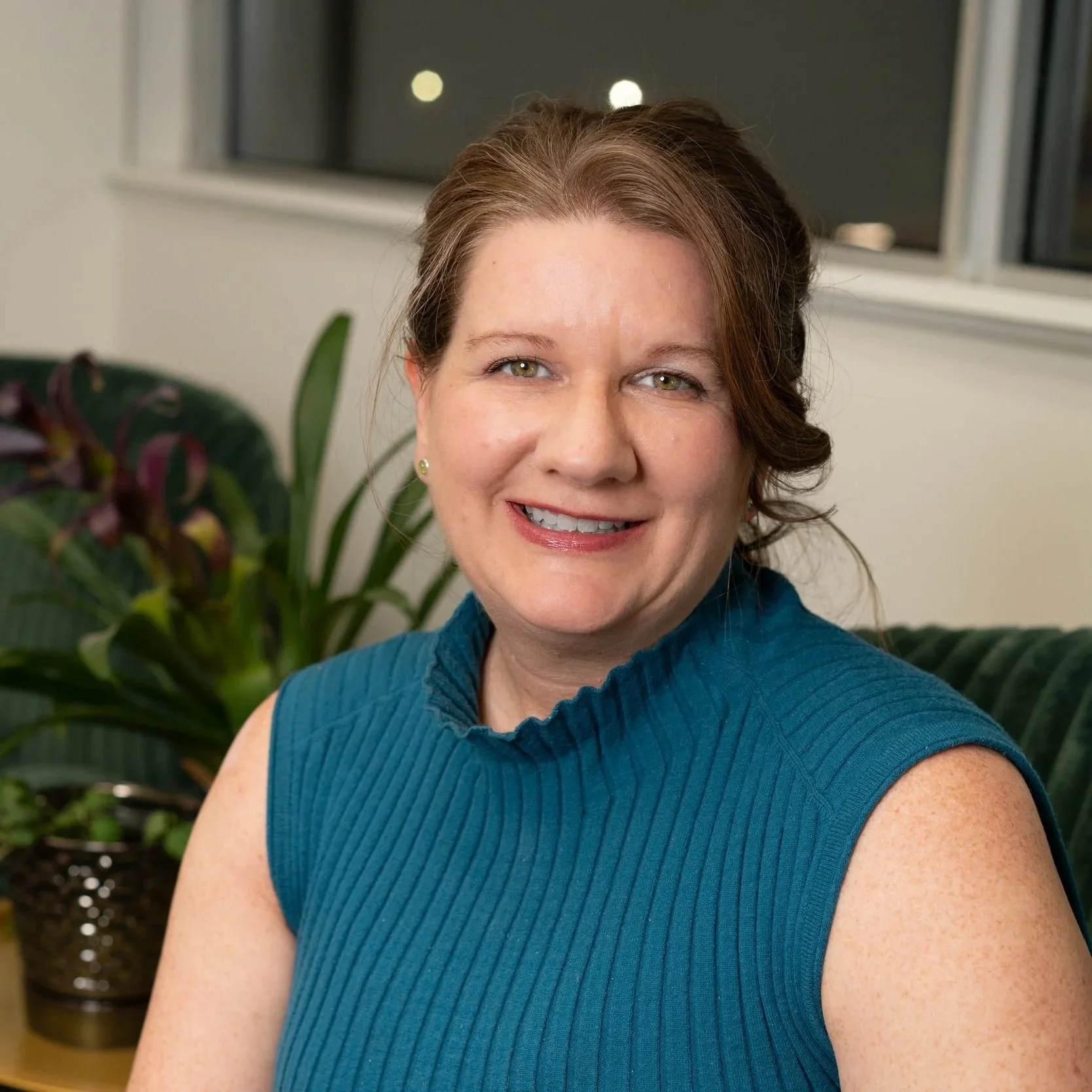
Rachel is known for her genuine and compassionate presence. She supports clients in coping with the challenges of today while finding hope for tomorrow. With over 20 years of counselling experience, Rachel brings a rich and diverse skill set grounded in trauma-sensitive approaches. She creates a safe and supportive space for clients to explore even the heaviest of emotions, while thoughtfully weaving in moments of lightness and ease.
Jennifer meets clients in the places where life feels heavy—grief that lingers, trauma that resurfaces, and transitions that leave people uncertain of their next step. Her work is grounded in the belief that healing begins when people feel safe enough to be seen, heard, and understood.
As a Registered Clinical Social Worker (RCSW) with more than 20 years of experience, she supports adults navigating complex and developmental trauma, anxiety, depression, and loss through a calm, collaborative, and relational approach.
Kristen Paliwoda offers a gentle, grounding presence that helps clients feel understood and supported from the moment they meet her. She works primarily with women navigating life transitions — from the growing pains of early adulthood to the changing identity that often accompanies motherhood. Her approach is warm, collaborative, and guided by curiosity. She integrates EMDR, CBT, and mindfulness-based practices, creating a process that feels both steady and flexible — never rushed, never one-size-fits-all.
For many of the people who find their way to Tracy, life looks fine on the surface but doesn’t feel that way inside. They’re holding it together at work, managing too many responsibilities, or trying to make sense of who they are after an ADHD diagnosis that explains a lot but also stirs up grief. What they want most is to feel like themselves again.
In therapy, Tracy offers a calm, grounded space to slow down and make sense of what’s been building up. Clients describe her as honest, curious, and quietly funny. Humour helps people relax, but she’s not afraid to name the hard things. Tracy isn’t one to gloss over the hard stuff; she believes in the kind of hope that grows from understanding yourself clearly, not from pretending everything is okay.
Jodey, is a Registered Psychologist in Calgary with over 35 years of experience in healthcare and rehabilitation. She works with adults of all ages coping with Trauma, anxiety, depression, stress, grief, and relationship difficulties. Many of her clients are professionals, in high stress occupations, and are health care providers and therapists.
Jake’s approach is creative and deeply trauma-informed. She often integrates Internal Family Systems (IFS), Acceptance and Commitment Therapy (ACT), trauma treatment, and expressive arts to help clients rebuild inner safety and emotional regulation. Before becoming a therapist, she spent two decades as a professional artist, and that creative lens continues to shape how she helps people explore meaning, story, and identity through their own healing process.
Mariah believes that therapy begins with safety and connection. She creates a space where clients can exhale, feel seen, and start to come home to themselves, whether that means navigating the overwhelm of anxiety, finding steadiness in postpartum life, or exploring the questions of early adulthood. Her calm and compassionate presence helps people slow down enough to discover what truly matters to them.
Danica Heidebrecht is a Registered Psychologist (M.Ed.) who believes therapy is first and foremost about connection. For nearly two decades, she has supported adults navigating anxiety, shame, stress, trauma, and relationship challenges.
Danica’s presence is warm, steady, and collaborative. She draws from trauma-informed, somatic, mindfulness, and attachment-based approaches to help clients feel safer in their bodies, more at ease in their emotions, and more connected in their relationships.
You do not need to be in crisis to reach out for support. This post explores what early mental health support can look like and why starting sooner can sometimes feel more manageable
Domestic violence isn’t always loud. Sometimes it’s the rules about friends, the constant check‑ins, the money you can’t access. Here’s how to spot it, what healthy looks like, and where to find support in Calgary—without shame or pressure.
Therapy isn’t one-size-fits-all. This post walks through what a first session can look like — and how to know if your therapist is the right fit.
Think therapy is only for crises or broken people? Think again. This post breaks down the biggest myths that stop people from getting support — especially high-achieving, late-diagnosed adults.
When high-achieving, late-diagnosed ADHD women start glitching, it’s not failure — it’s a system breaking down. This post explores the signs you’re not supposed to talk about.
Burnout doesn’t always look like breaking down. This post explores what it means to be high-functioning on the outside while quietly falling apart inside — and why support still matters.
Starting therapy can feel uncertain if you don’t know what to expect. This guide walks you through what happens in a first therapy session, from introductions to setting goals. Learn how therapy provides a supportive space to explore challenges, develop self-awareness, and build emotional resilience. Virtual and in-person therapy available in NW & SE Calgary.
Therapy isn’t just for crisis—it’s a tool for self-awareness, growth, and emotional well-being. This blog explores how therapy benefits anyone navigating stress, relationships, or personal challenges. Discover how mental health care is just as important as physical health and why seeking therapy is a sign of strength, not weakness.
Progress in mental health isn’t about perfection—it’s about learning how to navigate setbacks and keep moving forward. If you’ve ever struggled to stay consistent with therapy, self-care, or personal growth, you’re not alone. In this blog, we explore why setbacks happen, how to recognize early warning signs, and practical strategies to maintain mental wellness without burnout. Read on for simple, sustainable ways to stay on track with your mental health goals.
Discover how small, consistent habits can lead to meaningful growth and lasting balance. In this blog, we explore practical steps to build habits that align with your values, create emotional resilience, and transform your life—one small step at a time.
Feeling stuck or overwhelmed? Discover practical steps to let go of unhelpful habits and patterns, reduce stress, and build emotional resilience with Lodestone Psychology